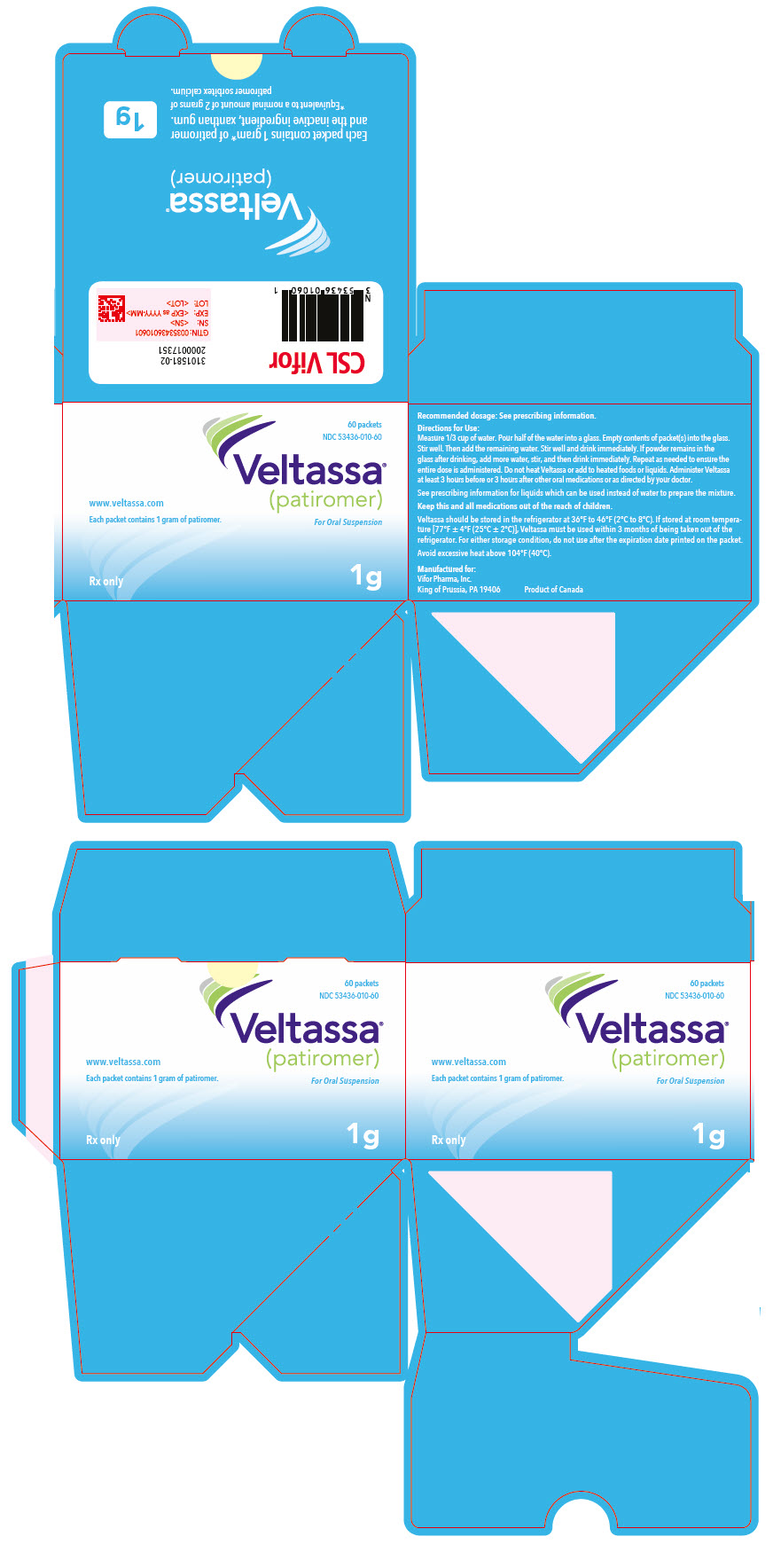
Veltassa
What is Veltassa (Patiromer)?
When the heart, kidneys, or certain medications cause potassium levels in the blood to rise too high, the result known as hyperkalemia can be dangerous and even life-threatening. Many patients living with chronic kidney disease or heart failure face this problem, often without warning. Veltassa (patiromer) helps bring potassium back into balance, allowing people to continue vital treatments safely and reduce the risk of serious complications.
Veltassa is an oral potassium binder approved by the U.S. Food and Drug Administration (FDA) for the treatment of hyperkalemia in adults. It is not a new fad drug; it’s a well-established, scientifically proven therapy that plays a critical role in maintaining healthy potassium levels. Unlike emergency treatments that act quickly to remove potassium in life-threatening cases, Veltassa works more gradually, helping manage potassium levels over time. This allows many patients with chronic kidney or heart conditions to stay on essential medications that might otherwise raise potassium levels.
What does Veltassa do?
Veltassa is used to lower high potassium levels (hyperkalemia) in the blood. Potassium is essential for normal muscle and nerve function, including maintaining a steady heartbeat. However, when potassium levels rise too high, it can cause irregular heart rhythms, muscle weakness, and even cardiac arrest.
People with chronic kidney disease (CKD) or heart failure are particularly at risk because their bodies have trouble removing excess potassium. Additionally, common medications such as ACE inhibitors, ARBs, and certain diuretics, all vital for heart and kidney protection, can increase potassium levels as a side effect.
By controlling potassium safely, Veltassa helps patients stay on these life-saving therapies without interruption. Clinical studies have shown that Veltassa effectively lowers potassium within a few days and maintains safe levels with ongoing use (NIH, 2024). Patients often experience greater stability and fewer emergency hospital visits for dangerously high potassium levels.
How does Veltassa work?
Veltassa’s active ingredient, patiromer, is a non-absorbed polymer that works inside the digestive tract rather than in the bloodstream. It binds to excess potassium ions in the colon and traps them, preventing the body from absorbing them into the blood. The bound potassium is then removed naturally through the stool.
This process helps gently and steadily lower potassium levels without causing abrupt changes. Because patiromer is not absorbed into the bloodstream, it has minimal systemic side effects and can be safely used in patients with chronic conditions.
Clinically, this mechanism matters because controlling potassium allows the heart to beat normally and prevents dangerous arrhythmias. It also helps patients continue medications like ACE inhibitors or mineralocorticoid receptor antagonists, which are essential for managing heart failure and kidney disease but can otherwise increase potassium levels.
Veltassa side effects
Veltassa is generally well tolerated, but some people may experience side effects, most of which are mild and manageable.
Common side effects include:
- Constipation or mild stomach discomfort
- Diarrhea or flatulence
- Nausea or bloating
- Low magnesium levels (hypomagnesemia)
Serious but rare side effects include:
- Severe constipation or intestinal blockage
- Signs of low magnesium, such as muscle cramps, fatigue, or irregular heartbeat
- Allergic reactions (rash, itching, swelling, or breathing difficulty)
Patients should inform their healthcare provider if they experience persistent digestive symptoms or signs of electrolyte imbalance. Because Veltassa binds potassium in the gut, it can also bind other medications, reducing their effectiveness. To prevent this, doctors usually recommend taking other oral medications at least three hours before or after Veltassa.
Who should avoid Veltassa:
It should not be used by patients with severe bowel obstruction or those who have had major bowel surgery that affects digestion. People with known hypersensitivity to patiromer should also avoid it.
Overall, Veltassa’s safety record is strong, and with appropriate monitoring, side effects are uncommon and typically mild.
Veltassa dosage
Veltassa, a powder, is taken orally mixed with water, never dry or heated. Dosage varies based on potassium levels and treatment goals, adjusted by a doctor. It works in the gut, taking hours to days for desired potassium levels, so it’s not for emergency hyperkalemia.
During treatment, doctors may monitor:
- Serum potassium and magnesium levels
- Kidney function tests
- Response to concurrent medications (especially those affecting potassium levels)
For older adults and patients with kidney disease, no dose adjustment is typically needed, but close monitoring helps ensure safe and effective treatment. Patients should also stay hydrated and maintain a consistent diet unless advised otherwise by their doctor.
Does Veltassa have a generic version?
As of 2025, Veltassa (patiromer) does not have a generic equivalent approved in the United States. It is available only as the brand-name product manufactured by Vifor Pharma and Relypsa, Inc. However, international versions may exist in other markets.
Generic patiromer is being developed and may be available after patent expiration, meeting FDA standards. Until then, patients can explore insurance, savings programs, or alternatives like Lokelma for cost or access issues.
Conclusion
Veltassa offers a safe, effective, and well-tolerated solution for managing high potassium levels, especially in patients with chronic kidney disease or heart failure. By binding excess potassium in the gut, it helps prevent dangerous complications while allowing patients to remain on vital heart and kidney medications.
Veltassa gradually improves stability and reduces hospitalizations with regular use. Essential for patients to communicate with their healthcare provider, follow dosing, complete lab tests, and report symptoms. Proper use helps maintain long-term balance, safety, and peace of mind.
References
- U.S. Food and Drug Administration (FDA). (2024). Veltassa (patiromer) prescribing information. Retrieved from https://www.accessdata.fda.gov
- Mayo Clinic. (2024). Patiromer (oral route) drug information. Retrieved from https://www.mayoclinic.org
- MedlinePlus. (2024). Patiromer: Uses, side effects, and precautions. National Library of Medicine. Retrieved from https://medlineplus.gov
- National Institutes of Health (NIH). (2024). Hyperkalemia management and potassium binders. Retrieved from https://www.nih.gov
Approved To Treat


Related Clinical Trials
Summary: This study is to prospectively compare clinical effectiveness between clinically- matched incremental hemodialysis and conventional hemodialysis in patients with incident kidney dysfunction requiring dialysis and residual kidney function. The study will enroll 350 patients on chronic hemodialysis and 140 caregivers of enrolled patients. Patients will be randomized in 1:1 ratio to either incrementa...
Summary: This is a phase III, prospective, randomized, double-blind, placebo-controlled, single-center, pilot trial, aimed at assessing whether treatment with the oral potassium binder patiromer as compared to placebo allows withdrawal or down-titration of potassium dietary restriction without increasing the risk of hyperkalemia in chronic dialysis patients.
Summary: This is a multicentre, 2-part, single-blind, randomised, withdrawal, placebo-controlled study, that includes a 4-week patiromer treatment phase (Part A) followed by an 8-week randomised placebo-controlled withdrawal phase (Part B) and a 2-week follow-up period.
Related Latest Advances
Brand Information
- Hypomagnesemia


NDC 53436-252-30
(patiromer)